
How 24,000 People Sharing a Language Changed the Culture at Copenhagen Airport
"YOU HAVE NO IDEA WHAT YOU STARTED!" he roared at me from across the staff canteen. He was a colleague from Security at Copenhagen Airport. I was the Service Excellence Director. Not everyone in Security thought I had great ideas. I braced for a difficult conversation.
"Have lunch with me. Please. We need to talk." Then he said:
"I have worked here for 19 years. I have never told a living soul that I have ADHD and I am dyslexic. But since you launched this training, my colleagues have started sharing their stories. So yesterday I told mine. Today is the first day I am coming to work as myself in 19 years. Not having to pretend to be someone I am not. You have no idea what that means to me."
Training built on real passenger barriers, rolled out to 24,000 staff
Through qualitative interviews I had mapped the barriers passengers living with different disabilities and diagnoses experienced on their journey across the airport. The awareness training that came from it was launched across all 1,250 companies and 24,000 staff who were part of the airport community at the time.
Colleagues sharing their experienced barriers at work. Out loud. With each other.
During the months that followed, people came up to me and told me what they had shared, with whom, and how it changed the way they felt about coming to work.
Shared language, not policy language
On inclusion, we had done many of the "right things". Policies. Training. The foundation and ammunition for an inclusive culture was there. What was different was that 24,000 people received a basic shared understanding of the diversity around them.
Short e-learning modules, mandatory during onboarding. Not policy language. Real stories from real people about what barriers actually look like. And that was the spark that had been missing. The spark that actually landed on the floor and started a conversation. Because it felt relevant.
Culture does not shift in a leadership workshop or with a policy change. It shifts when everyone in the organisation has a shared understanding of what difference looks like and why it matters.
From awareness that scales to culture that sticks
That experience changed the direction of my work.
On top of the training I developed, I introduced the Hidden Disabilities Sunflower at Copenhagen Airport. We were the first organisation in Denmark to do so.
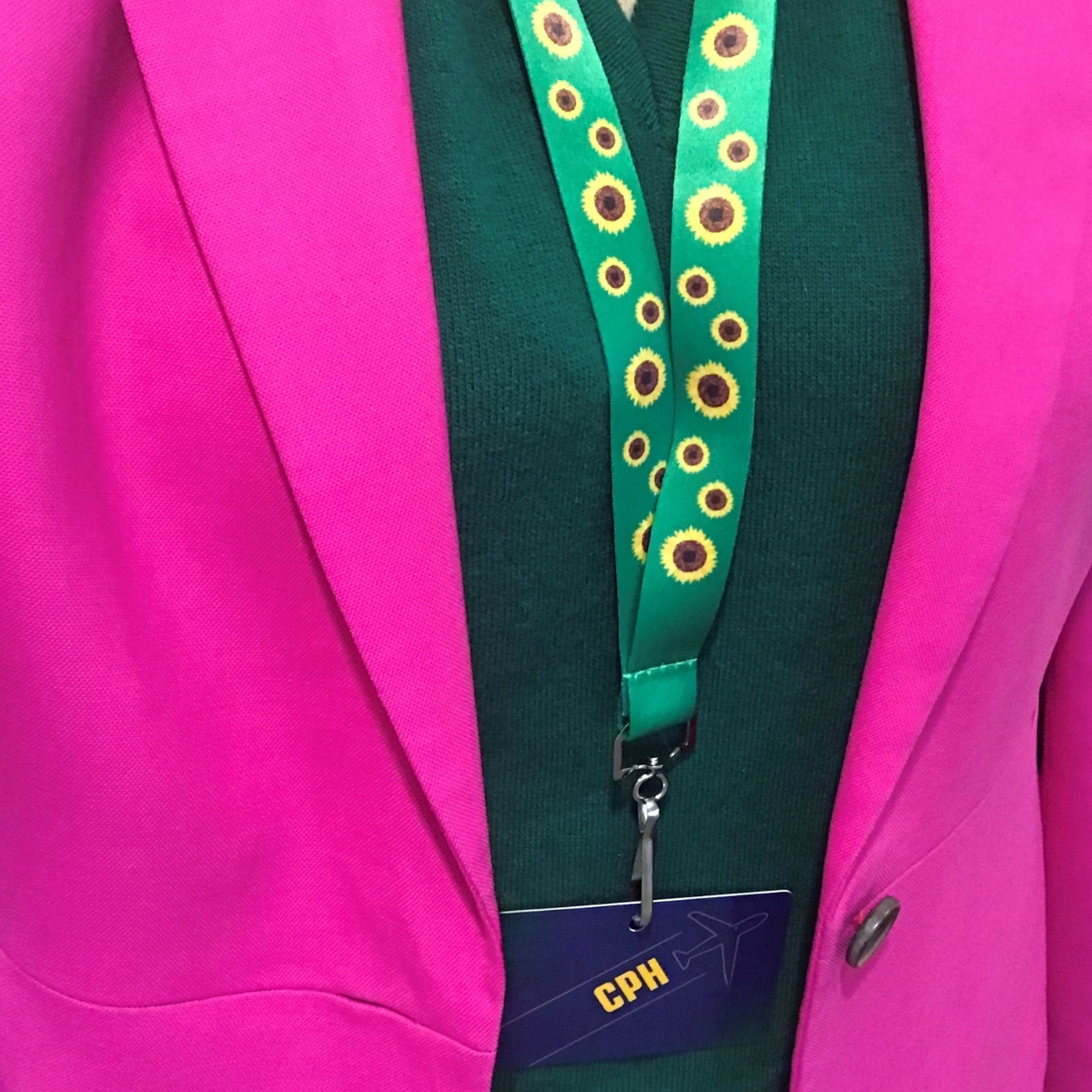
The Sunflower Lanyard launched in Copenhagen Airport January 2020
Rolled out through mandatory onboarding training to 24,000 employees across 1,250 different companies.
When Covid hit and I left the airport, I started Experience Management Community for leaders in Customer Experience and spent the next three years as Nordic Regional Director for Hidden Disabilities Sunflower, helping 500+ organisations roll out awareness training across the Nordics.
When I left the Sunflower, 82% of the Danish population reported recognising the Sunflower symbol.

The Sunflower symbolising Hidden Disabilities.
Over 3 years more than 500 companies joined the Hidden Disabilities Sunflower raising public awareness of the symbol from near 0 to 82%.
Proof that awareness can scale. And that there is a huge willingness to understand difference when it is easy to absorb. But awareness alone does not change how work happens on a Tuesday morning.
When LEGO House approached me to map the guest and employee experience to develop training, I started building what I knew had to be the next layer.
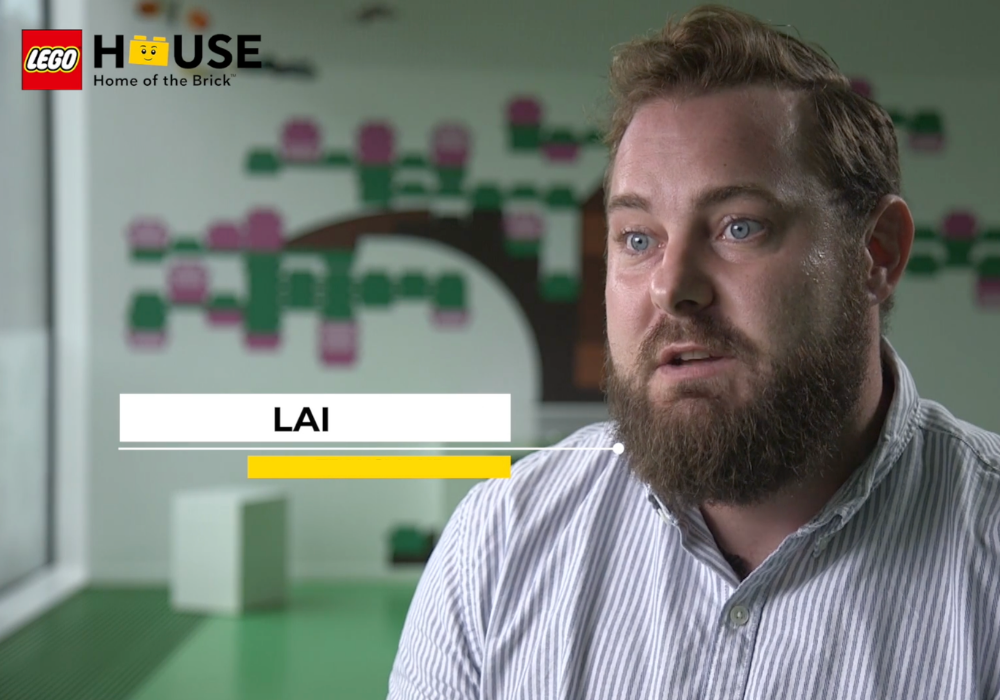
Inclusive guest and employee experiences.
Training developed for LEGO House on the barriers to inclusion and accessibility experienced by guests / employees living with hidden disabilities and diagnoses, and those who identify as LGBT+.
Through projects with LEGO House and Novonesis, and through 170+ qualitative interviews with neurodivergent colleagues, LGBT+ colleagues, colleagues with hidden disabilities, and colleagues with minoritised ethnic and cultural backgrounds, I mapped the barriers that actually show up in daily work.
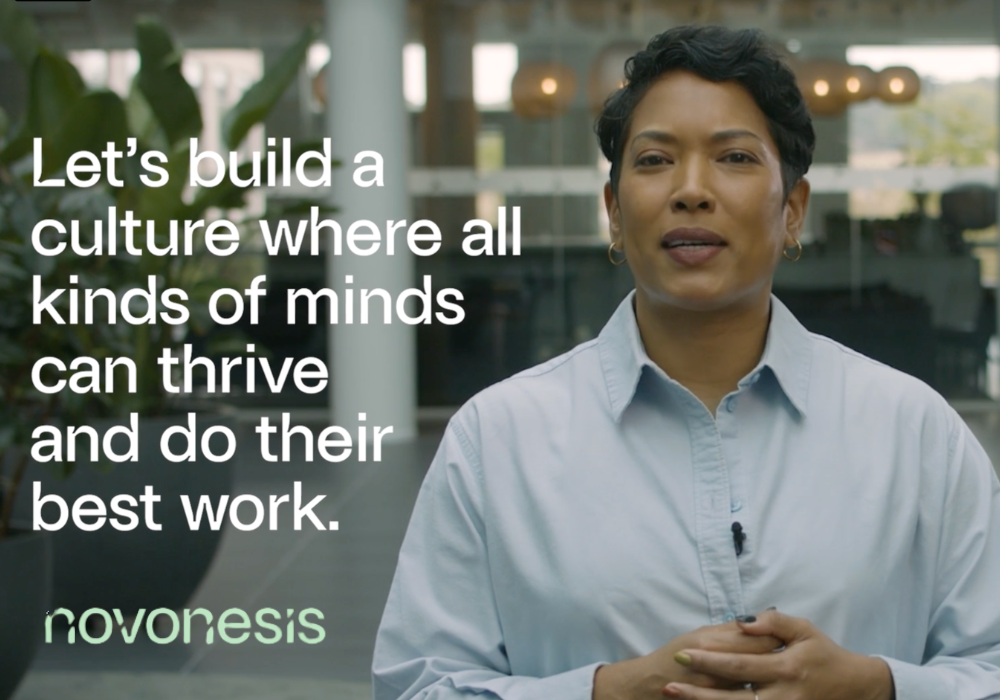
Unlock Wellbeing
Global training for Novonesis to support wellbeing through awareness and elimination of experienced barriers at work for colleagues living with hearing impairment, neurodiversity and colleagues living with caregiving responsibilities. Available in English, Chinese, Portuguese, Danish, Spanish and German.
The patterns across interviews were consistent. The barriers are cross-cutting. The fixes often simple. That research became InklusioNordic. Not a top-down message. A 12-month system that reaches every level.
It starts with shared language. Why inclusion matters to Peter, Christina and Fatima. How the same barriers affect all three. And what it costs the business when those barriers stay in place and how eliminating them improves the work experience for all.
Then it gives your colleagues and managers practical tools and better everyday habits to actually remove those barriers. Because if your colleagues do not understand the diversity that surrounds them, your inclusion initiatives have no soil to grow in.
InklusioNordic is that soil.